
Winter T-Shirt Design: A Practical Business Guide
The T-shirt business is no longer seasonal — but the strategy behind it must be seasonal. In the Western world, winter T-shirts have become a serious product category, not an afterthought. People don’t stop wearing T-shirts in winter; they wear them differently.
As a professional graphic designer with long practical experience, I’ve seen one common mistake again and again:
Manufacturers change designs, but ignore fabric, structure, and seasonal behavior.
That mistake costs money.
This guide breaks down how winter T-shirt design should be approached, what fabric ratios actually work, and how to start a T-shirt business that stays profitable season after season.
How Winter T-Shirt Design Should Be Different
Winter T-shirt design is not about adding sleeves only. It’s about function + aesthetics + layering logic.
- Design for Layering, Not Exposure
In winter, T-shirts are often worn:
- under jackets
- under hoodies
- under sweaters
- as base layers
That means:
- clean necklines
- minimal bulk
- strong shoulder structure
- smooth seams
Overdesigned graphics fail in winter.
Clean, confident designs sell better.
- Long Sleeve Is Not Optional
Short sleeves still sell, but winter collections must include:
- long-sleeve T-shirts
- Henley styles
- mock-neck or high-neck designs
These designs provide warmth while still feeling casual.
“Winter fashion rewards subtlety more than loudness.”
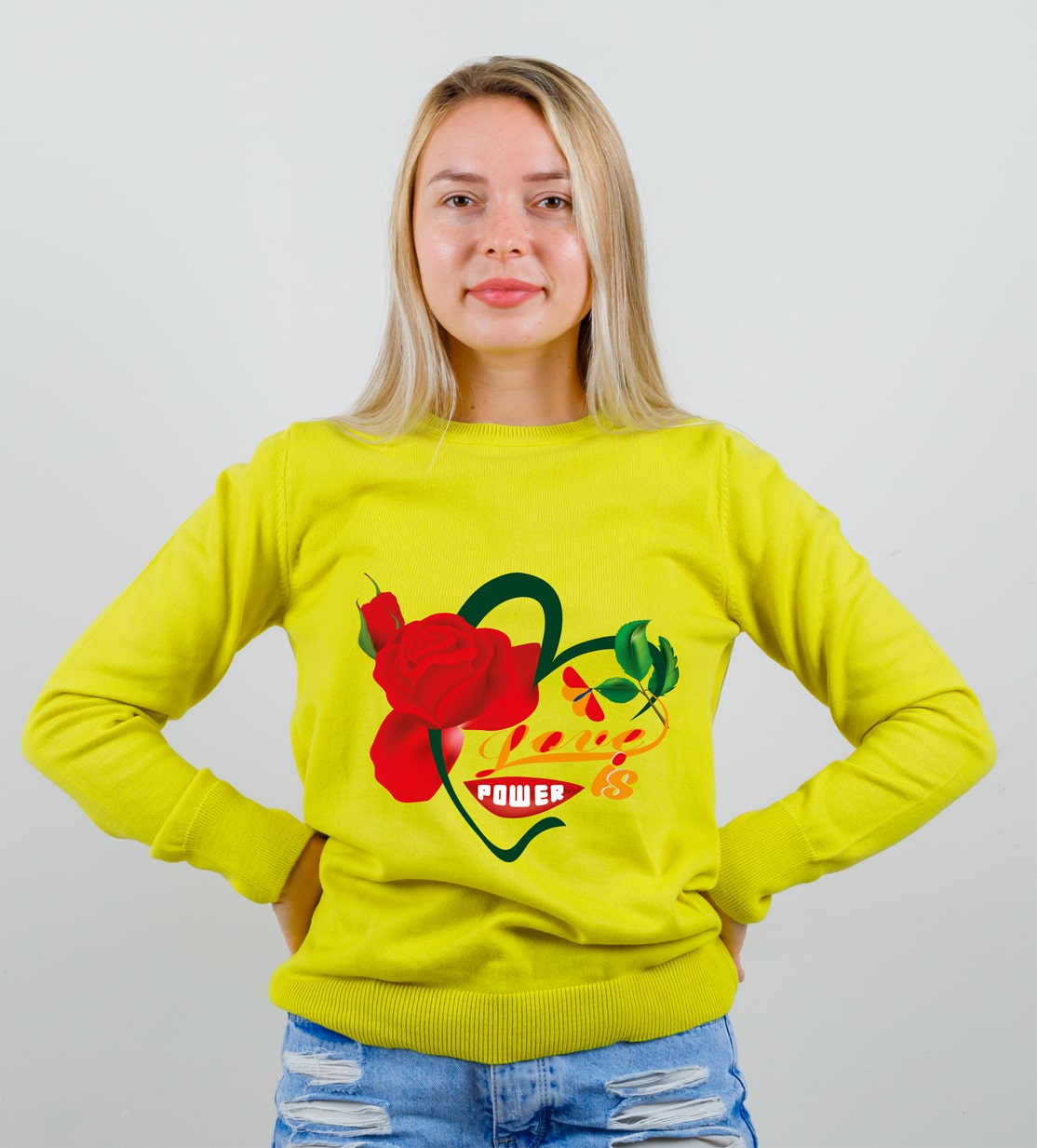
- Graphic Design Should Be Seasonal
As a designer, this is critical.
Winter graphics should be:
- minimal typography
- darker color ink
- meaningful quotes
- calm visual rhythm
Avoid:
- neon colors
- oversized summer graphics
- thin line art that disappears on heavy fabric
Winter design = confidence, not noise.
Best Fabric Ratio for Winter T-Shirts
This is where most beginners fail.
There is no single perfect fabric, but there are correct choices for specific goals.
- Cotton / Polyester (60/40 or 65/35)
Best all-round winter option.
Why it works:
- cotton gives comfort
- polyester traps heat
- fabric stays stable after wash
Use for:
- everyday winter T-shirts
- printed graphic tees
- mass production
- Heavyweight Pure Cotton (200–260 GSM)
For premium positioning.
Why it works:
- natural insulation
- breathable
- skin-friendly
Use for:
- long-sleeve tees
- premium basics
- streetwear brands
- Cotton + Spandex (95/5)
For fitted winter wear.
Why it works:
- stretch comfort
- body-hugging warmth
- shape retention
Use for:
- gym wear
- thermal-style tees
- layering garments
- Thermal / Waffle Knit Fabric
Highly effective in cold climates.
Why it works:
- traps heat
- lightweight but warm
- flexible
Use for:
- base layers
- extreme winter markets
Fabric Ratio Rule (Simple Truth)
“Warmth comes from structure, not thickness alone.”
Choose fabric based on climate and usage, not cost alone.
Correct GSM for Winter T-Shirts
GSM matters more in winter than summer.
Usage | Recommended GSM |
Base Layer | 160–190 |
Casual Winter Tee | 200–220 |
Heavyweight Tee | 230–260 |
Thermal Fabric | 180–220 |
Low GSM in winter = returns and complaints.
Season-Based Strategy to Start a T-Shirt Business
Now the business part — this is where profit is made or lost.
Step 1: Start With One Season Only
New brands fail because they try to sell:
- summer
- winter
- all-season
at the same time.
Start with winter only.
Focus wins markets.
Step 2: Choose 2–3 Fabric Types, Not More
Example winter starter lineup:
- cotton/poly blend
- heavyweight cotton
- thermal knit
Too many fabrics = inventory disaster.
Step 3: Limit Design Count
Best practice:
- 5–7 designs
- 2 colorways per design
- consistent sizing
Winter buyers prefer reliability over variety.
Step 4: Design for Western Color Psychology
Winter colors that sell:
- black
- charcoal
- navy
- olive
- maroon
- cream
- heather grey
Bright colors move slower in winter.
Step 5: Pricing Strategy
Winter T-shirts allow:
- higher margins
- premium perception
Never price winter tees like summer tees.
“If your winter T-shirt costs the same as summer, your strategy is wrong.”
Manufacturing Details That Protect Profit
These details reduce returns and complaints:
- pre-shrunk fabric
- reinforced neck rib
- shoulder tape
- double stitching
- bio or silicone wash
Western customers notice quality instantly.
Branding Advantage of Winter T-Shirts
Winter collections build:
- brand authority
- customer loyalty
- repeat purchases
A good winter product makes customers trust your summer collection later.
Key Quote to Remember
“Seasonal thinking is not optional in apparel — it is survival.”
Final Thoughts
Winter T-shirt design is not guesswork.
It’s a system.
Success comes from:
- correct fabric ratio
- smart GSM selection
- season-appropriate design
- controlled inventory
- premium positioning
As a professional graphic designer, your advantage is visual thinking. Combine that with fabric intelligence and seasonal strategy — and the T-shirt business becomes scalable and profitable.
If you’re planning to launch or improve your T-shirt brand and need guidance on design direction, fabric selection, or seasonal branding, feel free to connect with me. Experience saves money — mistakes cost brands.