
Winter T-Shirt Style and Business: A Complete Roadmap
The T-shirt business has evolved far beyond basic casual wear. In the Western world, especially during winter, T-shirts are now fashion statements, layering essentials, and premium lifestyle products.
At the same time, many entrepreneurs from other industries are planning to enter the T-shirt business to strengthen their financial future. But success in this industry does not come from enthusiasm alone — it comes from experience, seasonal understanding, and smart strategy.
As a professional graphic designer with long practical experience, I’ve seen that those who respect style, fabric, and process build sustainable brands. Those who ignore them exit quietly.
This article serves as a roadmap — for fashion-conscious winter T-shirt design and for building a profitable T-shirt business from the ground up.
What Kind of T-Shirts Stylists Prefer in Winter
Fashion-conscious people don’t buy T-shirts impulsively in winter. They buy with intention.
- Layer-Friendly Design Comes First
Stylists look for T-shirts that work under:
- jackets
- coats
- blazers
- hoodies
This means:
- clean necklines
- balanced fit
- minimal bulk
- smooth stitching
Bulky or poorly shaped T-shirts fail instantly.
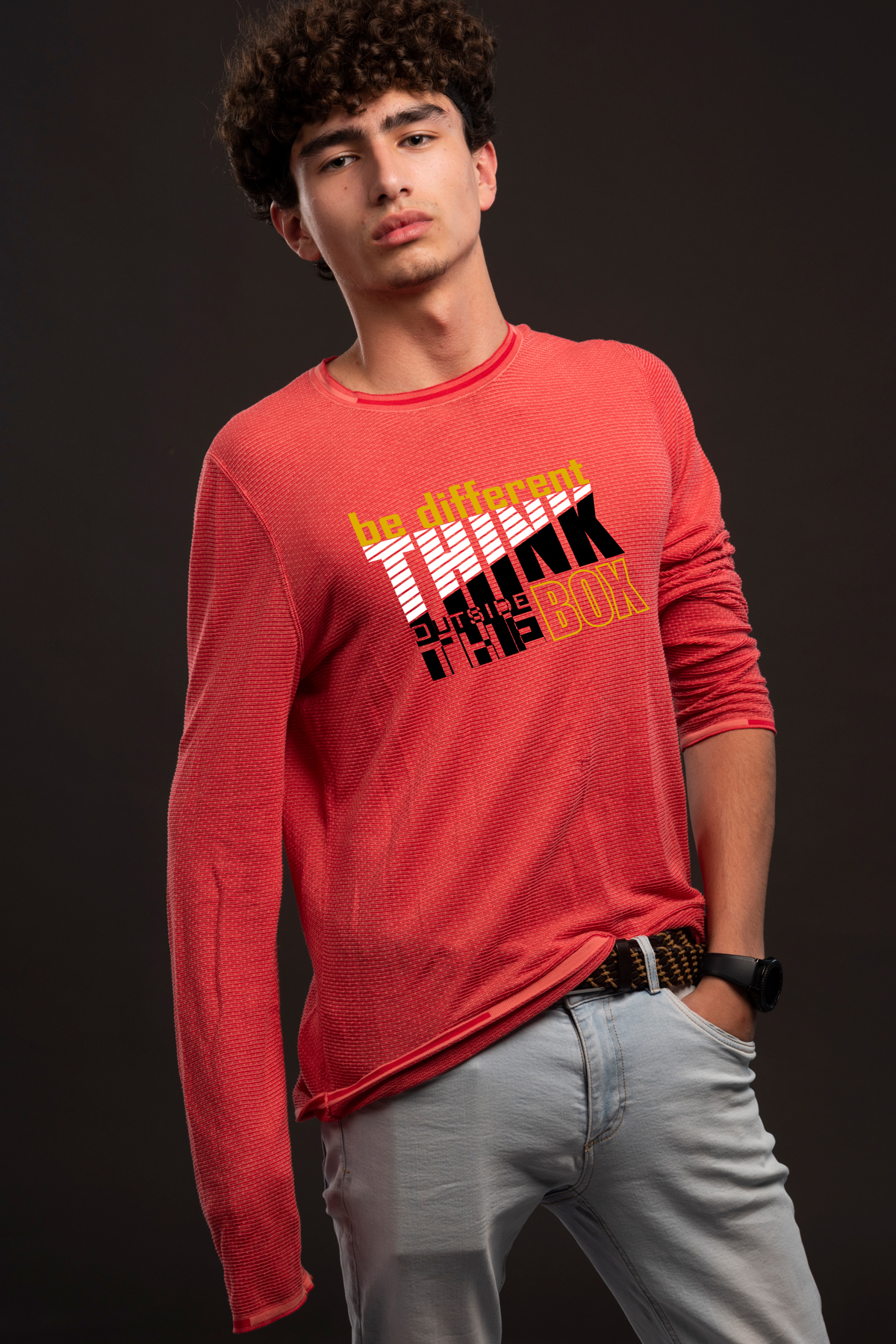
- Long Sleeves Are a Core Requirement
Winter fashion heavily favors:
- long-sleeve T-shirts
- Henley styles
- mock-neck or high-neck designs
These styles offer warmth while maintaining elegance.
Winter style is about refinement, not exposure.
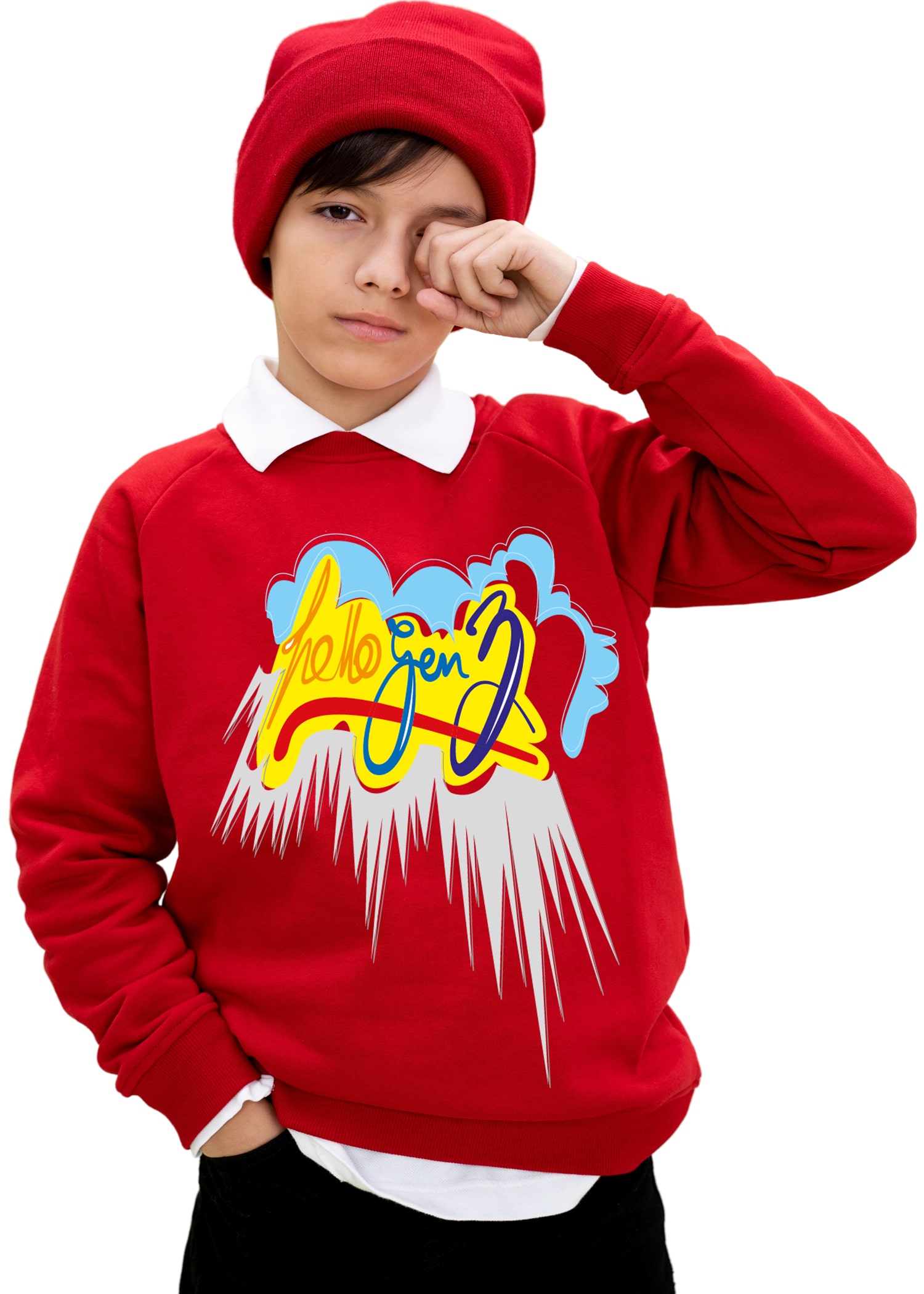
- Minimal Graphics, Maximum Impact
Fashion-conscious buyers prefer:
- typography-based design
- subtle symbols
- small chest prints
- back typography
Overcrowded graphics cheapen the look — especially in winter.
- Premium Fabric Feel Is Non-Negotiable
Stylists touch fabric before they buy.
Preferred fabrics:
- heavyweight cotton
- cotton-poly blends
- waffle or thermal knits
- cotton with slight stretch
Rough or thin fabric = rejection.
- Winter Color Psychology Matters
Colors that perform well:
- black
- charcoal
- navy
- olive
- beige
- off-white
- maroon
- heather grey
Bright colors feel out of place in winter collections.
What Experience Is Required to Start a T-Shirt Business
Here’s the truth most people avoid:
You don’t need years of factory experience — but you do need clarity.
Experience is required in layers, not all at once.
leo.
- Product Understanding Experience
You must understand:
- fabric behavior
- GSM impact
- shrinkage
- color fastness
- seasonal comfort
This comes from handling products, not theory.
- Market Observation Experience
Spend time observing:
- what sells
- what repeats
- what fails
Online research is not enough. Real market behavior matters.
- Design Sensibility Experience
You don’t need to be a designer — but you must understand:
- balance
- proportion
- visual calm
- branding consistency
As a graphic designer, this is where I see businesses either grow or collapse.
- Cost & Pricing Awareness
Many fail because they price emotionally.
You must know:
- fabric cost
- production cost
- wastage
- logistics
- margin reality
Profit comes from discipline.
How to Gain Experience Before Investing Big
Experience doesn’t require a factory on day one.
Step 1: Start as a Curator, Not a Producer
Buy small quantities.
Test designs.
Observe customer feedback.
This reduces risk.
Step 2: Work With One Manufacturer
Stick to one reliable supplier.
Learn fabric behavior over time.
Jumping suppliers creates confusion.
Step 3: Start With One Season Only
Winter or summer — not both.
Seasonal focus builds clarity and control.
Step 4: Limit Design Count
5–7 designs are enough for a starting collection.
More designs = more mistakes.
Roadmap to Start a T-Shirt Business (Step-by-Step)
Stage 1: Strategy & Positioning
Decide:
- Who are you selling to?
- Fashion-conscious or mass market?
- Premium or budget?
Without positioning, branding fails.
Stage 2: Choose Your Entry Model
Factory-Based Model
- Higher capital
- B2B focus
- Requires quality control
Showroom Model
- Medium investment
- Design-led
- Relationship-driven
Retail Shop / Online Store
- Lower capital
- Niche targeting
- Branding is key
Choose one — not all.
Stage 3: Fabric Strategy
For winter:
- cotton/poly (60/40 or 65/35)
- heavyweight cotton (200–260 GSM)
- thermal knit
- cotton + spandex
Fabric decides comfort and repeat buyers.
Stage 4: Design Execution
Design should:
- respect winter mood
- support layering
- feel intentional
As a designer, I can say confidently:
simple designs sell longer.
Stage 5: Quality Control
Mandatory steps:
- pre-shrinking
- reinforced collars
- shoulder taping
- double stitching
- soft wash treatment
Western buyers notice details immediately.
Stage 6: Branding & Presentation
Branding includes:
- labels
- tags
- packaging
- color consistency
- tone of communication
Branding builds trust faster than advertising.
Stage 7: Pricing for Sustainability
Winter T-shirts support higher pricing.
Never underprice winter products — it signals low quality.
Common Mistakes to Avoid
- copying trending designs blindly
- using low GSM fabric
- overproducing inventory
- ignoring sizing accuracy
- treating T-shirts as “easy business”
Easy thinking leads to hard losses.
Key Quote to Remember
Fashion-conscious customers buy confidence — not just clothing.
Final Thoughts
Winter T-shirts are no longer basic garments.
They are styled, layered, and judged carefully.
To succeed:
- respect fabric
- respect season
- respect design
- respect process
Whether you start with a factory, showroom, or small shop — clarity and experience will determine your success.
As a professional graphic designer, I firmly believe:
Design without strategy is decoration. Strategy without design is invisible.
If you’re planning to start or refine a T-shirt business and need guidance on design direction, branding, or seasonal planning, feel free to connect. The right roadmap saves years of costly mistakes.